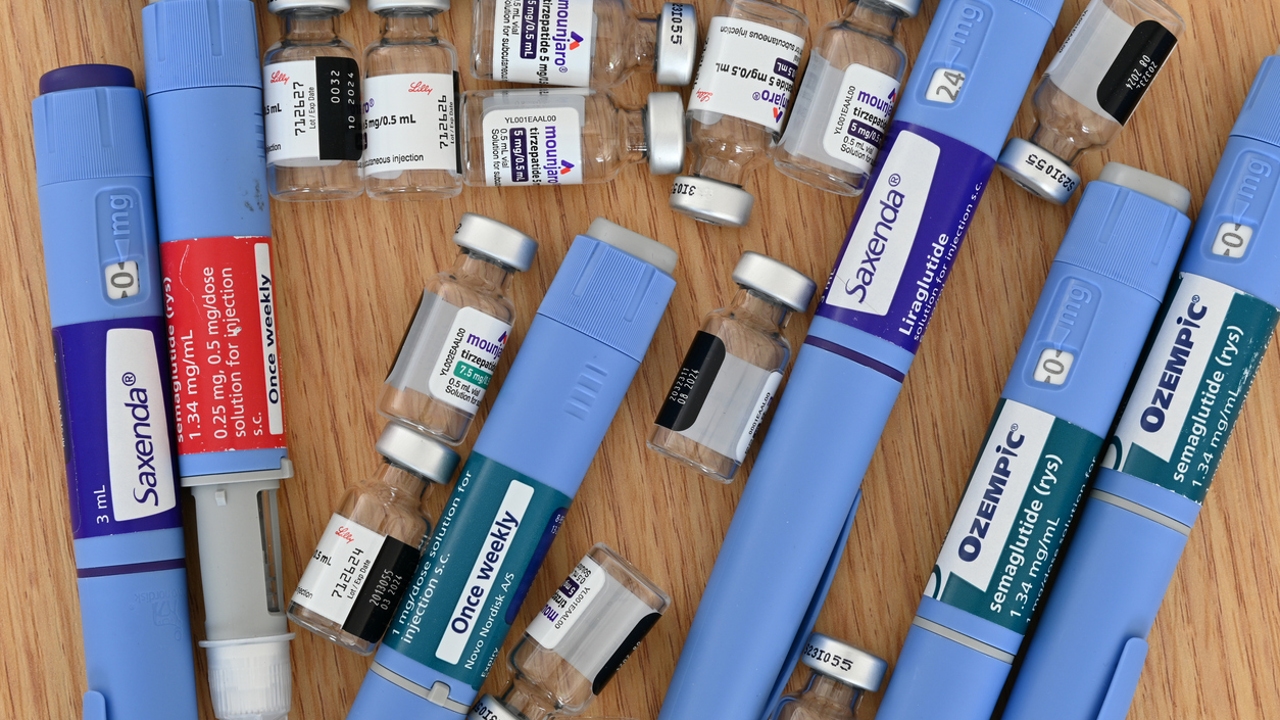
Beyond Ozempic: New Obesity Drugs Achieve Record-Breaking Results
The landscape of obesity treatment has been irrevocably transformed in recent years, first by the advent of GLP-1 receptor agonists like semaglutide (popularly known as Ozempic or Wegovy). These innovative weight loss treatments, which help regulate appetite and satiety, offered patients significant reductions in body weight, often exceeding 15-20% over a year. For many, this represented a profound shift in managing a complex, chronic disease that had historically been resistant to conventional interventions. However, the medical community is now witnessing the rise of a new generation of obesity drugs – cutting-edge compounds that are pushing the boundaries of weight loss even further, achieving results that were once only attainable through bariatric surgery. But with this unprecedented efficacy comes a new set of questions, prompting a critical re-evaluation of what constitutes "successful" weight loss and the potential pitfalls of therapies that might, for some, work *too* well.
The Next Frontier: Record-Breaking Results with Retatrutide
While GLP-1 agonists have set a high bar, new experimental drugs are now demonstrating even more impressive outcomes. One such pioneer in this field is retatrutide, an exciting new weight loss drug developed by pharmaceutical giant Eli Lilly. This groundbreaking compound operates as a "triple agonist," targeting not only GLP-1 receptors but also GIP (glucose-dependent insulinotropic polypeptide) and glucagon receptors. This multi-pronged approach appears to enhance its effectiveness in managing appetite, metabolism, and fat burning.
The results from early trials have been nothing short of astonishing. In a recent study involving individuals with obesity and knee osteoarthritis, participants receiving the highest dose of retatrutide experienced an average body weight loss of 28.7% over 68 weeks. To put this in perspective, this figure significantly surpasses the typical 15-20% achieved by current GLP-1 only or dual-agonist therapies. For many patients, such a substantial reduction in weight can lead to dramatic improvements in metabolic health markers, alleviating conditions like type 2 diabetes, hypertension, and joint pain. These findings suggest that the quest for a highly effective *nuevo fármaco adelgazar* (new weight loss drug) is yielding results far beyond initial expectations.
Navigating the Dilemma: When "Too Much" Becomes a Concern
The astounding efficacy of drugs like retatrutide, while offering immense hope, simultaneously sparks a crucial debate within the medical community: what happens when these medications work *too* well? The concept of "excessive weight loss" is not one that has historically been part of the obesity treatment lexicon, where the focus has almost always been on achieving *more* weight loss. Yet, the current data suggests this is a scenario we must now seriously consider.
In the retatrutide trial, a notable 12-18% of participants discontinued the study due to side effects. While side effects are common in drug trials, a striking observation was that some individuals reported stopping treatment because they felt they were losing too much weight – a phenomenon rarely reported in previous generations of weight loss medications. This raises an uncomfortable truth: there is currently no universal, clinically agreed-upon definition of "excessive weight loss." For some patients, the primary goal might be metabolic improvement (e.g., lower blood glucose, better cardiovascular parameters), and weight loss is a means to that end. For others, the desire to shed pounds can become an objective in itself, even when the clinical benefit plateaus or the risks begin to outweigh the rewards.
This evolving landscape underscores the need for careful patient selection, clear goal setting, and ongoing dialogue between patients and their healthcare providers. It’s no longer just about prescribing a *nuevo fármaco adelgazar*; it's about navigating its profound effects. To delve deeper into this emerging challenge, explore
Next-Gen Weight Loss Drugs: Are They Too Effective? The New Dilemma.
Beyond the Scale: Health Implications and Risks
The physical act of losing weight, especially rapidly and significantly, brings its own set of potential health implications. While substantial weight loss is generally beneficial for individuals with obesity, the speed and extent achieved by these new agents necessitate meticulous monitoring. Endocrinologists are now warning that the challenge is not just to lose weight, but to do so healthily and sustainably.
One significant concern is the potential for nutritional deficiencies. Some patients report intense nausea and a dramatic reduction in appetite, which, without proper dietary guidance and supervision, can lead to insufficient caloric intake, malnutrition, or dehydration. These issues can result in a loss of essential muscle mass, which is critical for metabolic health, strength, and overall well-being. The goal should always be fat loss, not indiscriminate weight loss.
Moreover, experts fear that these powerful drugs could exacerbate or even trigger eating disorders in vulnerable individuals. Psychiatrists are urging careful monitoring for patients with a history of anorexia, bulimia, or other disordered eating patterns. The risks associated with these new weight loss drugs aren't always visible on the bathroom scale; they can manifest as:
- Nutritional Deficits: Lack of essential vitamins and minerals due to reduced intake.
- Loss of Muscle Mass: Compromising strength, metabolism, and increasing frailty risks.
- Psychological Alterations: Distorted body image, heightened anxiety around food, or a relapse into disordered eating behaviors.
Understanding these nuanced risks is paramount for healthcare providers. For more insights on this critical aspect, read
New Weight Loss Drugs: Navigating Risks of Excessive Weight Loss.
A New Paradigm for Treatment: Personalized and Sustainable Care
In response to these emerging challenges, pharmaceutical companies and clinicians are beginning to adapt their strategies. The focus is shifting from simply maximizing weight loss to achieving *optimal* and *healthy* weight loss tailored to the individual patient. This involves:
*
Flexible Dosing Regimens: Some companies are exploring flexible dosing, allowing clinicians to reduce the administered amount if a patient experiences significant side effects or if a lower dose proves sufficiently effective for their health goals. The aim is to find the minimum effective dose rather than pushing for the maximum possible weight reduction.
*
Holistic, Multidisciplinary Approach: The treatment of obesity, particularly with these powerful new agents, must be approached as a chronic disease requiring ongoing, comprehensive care. This means integrating medical supervision with nutritional counseling, physical activity guidance, and psychological support.
*
Setting Realistic and Healthy Goals: Before starting any *nuevo fármaco adelgazar*, patients and doctors should establish clear, realistic, and health-focused goals. This includes discussing what constitutes a beneficial amount of weight loss for their specific health profile, beyond just a number on the scale.
*
Empowering Patients with Education: Patients need to be fully informed about the potential benefits, side effects, and long-term implications of these medications. Understanding that the goal is health improvement, not just weight loss for its own sake, is crucial.
Practical Tips for Patients Considering New Obesity Drugs:
- Consult a Specialist: Work with an endocrinologist or obesity medicine specialist who understands the nuances of these powerful medications.
- Prioritize Nutrition: Even with reduced appetite, ensure you're consuming nutrient-dense foods. Consider working with a registered dietitian.
- Stay Hydrated: Intense nausea can lead to dehydration; sip water and electrolyte-rich fluids throughout the day.
- Monitor Mental Health: Be aware of any changes in your relationship with food or body image. Seek psychological support if needed.
- Regular Follow-ups: Adhere to all scheduled appointments to monitor your progress, manage side effects, and adjust dosing as necessary.
Conclusion
The development of new obesity drugs like retatrutide marks a monumental leap forward in the fight against a global health crisis. Their record-breaking efficacy offers unprecedented hope for millions struggling with the complexities of obesity. However, this scientific triumph also ushers in a new era of careful consideration, demanding a shift from a purely weight-loss-centric approach to one that prioritizes holistic health, patient safety, and personalized care. As these powerful medications become more widely available, the focus must remain on empowering patients to achieve sustainable, healthy outcomes, ensuring that the incredible power of a *nuevo fármaco adelgazar* is harnessed responsibly and ethically for the betterment of overall well-being, both on and off the scale.